
|
Blog and Recipes
Mexican Mint Marigold
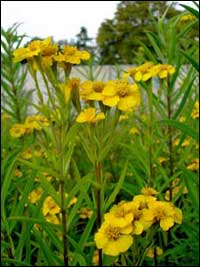 Semihardy herbaceous perennial Aromatic, Cosmetic. Culinary, Medicinal, Ornamental 1-1/2 to 2 feet high, 1 to 1-1/2 feet wide Full Sun Moist acid to alkaline soil |
Mexican Mint Marigold,Tagetes Lucida(Also called Winter Tarragon, Texas Tarragon, False Tarragon) Tagetes, the marigold genus, originated in the cool mountains of Mexico. Natives began cultivating many of the marigolds over five thousand years ago, Mexican Mint Marigold was valued for its medicinal properties. It was used to kill intestinal parasites, sooth upset stomachs, relieve diarrhea and ease menstrual cramps, and as a general tonic.
Mexican Mint Marigold has many common names in Mexico and Central American, including hierba de anis, hierba de San Juan, flor de Santa Maria, and pericon. The flavor is sweet, somewhat like anise. Many slender stems rise unbranched from the base of this semihardy perennial. Narrow leaves are deep glossy green above, pale green below. Underneath are tiny glands filled with oil that smells like anise. Small, daisy like yellow-orange flowers appear in the Fall and can be showy in the garden. |
Planting & Care.Sow seeds after danger of frost has passed. Cover seed lightly with soil and keep evenly moist. Dividing plants is the the easiest method; do this in the Spring or Fall. Arch a stem to the ground, cover the center with soil, and the stem will often root at the nodes. Even in the mildest climates these plants are winter dormant. As plants set seed, let them begin to dry out. If the weather remains too moist when plants are dormant they will rot. Allow three or four months of dormancy before watering again. Locate plants in full sun to moderate afternoon shade; without enough sun they may not flower. Tolerates any soil, including clay or loam, alkaline or acidic, even limestone soils. Mexican Mint Marigold does well in containers as long as the soil does not dry out. In northern climates allow plants to go dormant and store them in a cool area for the winter. Move them to a sunny spot and begin watering in late winter to bring them out of dormancy. Harvesting and Use.Dried leaves are mildly aromatic in potpourri. A warm decoction works well to tone skin, help cleanse pores and treat acne. When cooking, the sweetish anise-like flavor of leaves and stems can be substituted for tarragon. Fresh leaves and flowers complement chicken, fish veal and mutton. Stuffed peppers, squash, tomatoes and tradition turkey stuffing are enhanced by the subtle flavor. Do not over cook; add near the end of preparation. Sprinkle fresh leaves in green and fruit salads. Wonderful in herb vinegars; the flavor is strongest with white wine vinegar as a base. When harvesting leaves use sharp shears to cut rather than crush the stems. This helps prevent the flavorful oils from escaping. Chop as you add to dishes when cooking. The golden orange flowers make a spicy tea and can be blended with black tea for flavor. |
Blog and Recipes
Pot Marigold
|
Hardy annual Cosmetic, Culinary, Medicinal, Ornamental 1 to 1-1/2 feet high, 1 foot wide Full sun Rich, well-drained soil |
Calendula, Pot Marigold, Calendula officinalisAs cooler weather approaches in the fall and many herbs stop flowering, calendula is a special plant to have in the garden. Plants have long been cherished for the long periods of color they add late in the season, the flavor they add as a seasoning, and the relief they provide as medicine.
Calendulas originated in India where the Hindus used them to decorate their temple altars. It takes its botanical name from the Latin word calendae, which means “throughout the month,” referring to its long bloom season. |
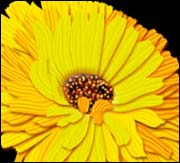
Flowers are single or double, and definitely live up to their name, “flowers in the sun.” They close up at night and occasionally on dark days, then reopen with sunshine. Flowers are borne on top of sturdy stems, framed by large, oblong, pale green, aromatic leaves. This herb’s neat growth and cheerful color make it a lovely indoor container plant.
Planting & Care.
Easy to grow from seed. Sow in light, well-drained rich soil in a sunny location in spring. For fall bloom, sow in early summer. These hardy annuals reseed freely. With the right conditions new plants come up year after year. To encourage new blooms on existing plants, pick and enjoy flowers frequently.
Harvesting and Use.
Flower petals have many medicinal and cosmetic values. They are an excellent source of vitamin A and phosphorus. Drinking an infusion of the petals has been recommended to help poor circulation and varicose veins. Use it for bathing to relieve tired swollen feet, for cleansing and softening skin, and for soothing tired eyes. An ointment made from the petals can treat acne, relieve sunburn and minor burns, and can help fade old scars.
Culinary Use.
Petals give food a delicate, tart flavor, which some claim is similar to tarragon. Chopped blooms impart a strong color to eggs, cheeses and soups, and can be used as an inexpensive substitute for saffron in rice and pasta dishes, biscuits and breads. The petals make a colorful and nutritious addition to salads. To experience this edible flower, try the recipe for Calendula Vinaigrette.
Blog and Recipes
Lavender Cilantro Dressing
Blog and Recipes
Herb Gardening
Good Bedfellows… Bad Bedfellows
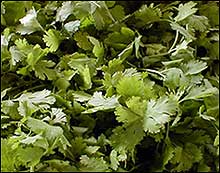
| Several herbs are believed to have positive effects when they are planted near vegetables or other herbs. They not only protect them from insects but are believed to boost their growth and improve their flavor. Chives, for instance, promote the growth of carrots; parsley or borage help tomatoes. Rosemary and sage thrive when planted in tandem, and yarrow is thought to increase the fragrance of most herbs. However, some plants decline because they cannot tolerate the particular chemistry of their companions. Basil, for example, hinders rue. Coriander retards the growth of fennel, tomatoes and beans. | |
| Careful planning is the key to companion planting. Place good bedfellows close together. Use paths and walkways to separate foes. Alternate complimentary herbs and plants in rows, locating them checkerboard -style in a bed. Or plant protective herb borders around pest-susceptible vegetables and ornamentals. The most interesting aspect of companion planting is the cumulative benefit. When herbs, vegetables and flowers are grown together, food plants seem to be more flavorful, flowers and scented leaves become more fragrant. All the while the combinations and interactions help control pests. | |
| Herb | Vegetable |
| Anise | Coriander |
| Basil | Peppers, Tomatoes |
| Bee Balm | Tomatoes |
| Borage | Beans, strawberries |
| Chamomile | Cucumbers, onions |
| Chervil | Radishes |
| Dill | Cabbages, lettuces |
| Galic | Roses |
| Horseradish | Potatoes |
| Hyssop | Cabbages, grapes |
| Lovage | Beans |
| Mint | Cabbages, Tomatoes |
| Mustards | Grapes, fruit trees, beets |
| Oregano | Beans |
| Rosemary | Tomatoes Marjoram |
| Savory | Beans, onions |
| Tarragon | Most Vegetables |
| Thyme | Eggplant, potatoes |